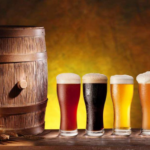
The craft brewing movement has reshaped the global beer landscape, transforming how people perceive and enjoy beer. What was once a market dominated by large-scale industrial producers has evolved into a vibrant ecosystem of independent brewers, creative experimentation, and passionate communities. Today, craft brewing is more than just a trend—it is a cultural shift driven by quality, authenticity, and innovation.
The Origins of Craft Brewing
The roots of craft brewing can be traced back to a desire for diversity and flavor. As consumers grew tired of mass-produced lagers, small-scale brewers began experimenting with traditional techniques and bold ingredients. This early phase of craft brewing laid the foundation for what would become a global phenomenon.
Unlike industrial production, craft brewing emphasizes small batches, hands-on processes, and unique recipes. Brewers often focus on quality over quantity, which has helped establish trust and loyalty among beer enthusiasts.
Defining Craft Beer Culture
At the heart of the craft brewing movement lies a distinct craft beer culture. This culture values creativity, independence, and community engagement. Breweries are not just production facilities—they are social hubs where people gather, share experiences, and explore new flavors.
Craft brewing encourages experimentation, resulting in a wide range of beer styles, from hop-forward IPAs to rich stouts and sour ales. This diversity is a defining feature of craft beer culture and a key reason for its widespread appeal.
Innovation and Experimentation
One of the most exciting aspects of craft brewing is its commitment to innovation. Brewers continuously push boundaries by incorporating unconventional ingredients, barrel-aging techniques, and hybrid styles. This constant evolution keeps the craft brewing scene dynamic and engaging.
The flexibility of craft brewing allows brewers to respond quickly to trends and consumer preferences. Seasonal releases, limited editions, and collaborative brews are common, reflecting the creative spirit of the movement.
The Global Expansion of Craft Brewing
Over the past two decades, craft brewing has expanded far beyond its initial roots. Independent breweries have emerged in nearly every corner of the world, each contributing local flavors and traditions to the broader craft beer culture.
This global spread of craft brewing has fostered cross-cultural exchange and innovation. Brewers learn from one another, share techniques, and collaborate on new projects, further strengthening the international craft beer community.
Challenges and Sustainability
Despite its success, the craft brewing movement faces several challenges. Competition is increasing, and maintaining quality while scaling production can be difficult. Additionally, sustainability has become a major concern within craft brewing.
Many breweries are adopting eco-friendly practices, such as reducing water usage, recycling materials, and sourcing local ingredients. These efforts align with the values of craft beer culture, which often prioritizes responsibility and community impact.
The Future of Craft Brewing
The future of craft brewing looks promising, with continued growth and innovation on the horizon. As consumers seek more personalized and authentic experiences, craft beer culture is likely to remain a driving force in the industry.
Technology, sustainability, and global collaboration will shape the next phase of craft brewing. While trends may evolve, the core principles of creativity, quality, and independence will continue to define the movement.
Conclusion
The craft brewing movement has transformed beer from a simple beverage into a rich cultural experience. Through dedication to quality, innovation, and community, craft brewing has redefined what beer can be. As the movement continues to grow, it will undoubtedly inspire new generations of brewers and enthusiasts around the world.