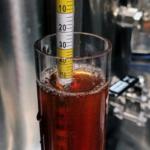
Before starting any beer comparison, it is essential to understand the basics of beer styles. Each style—such as lagers, ales, stouts, and IPAs—has defined characteristics including color, bitterness, alcohol content, and aroma profile.
When comparing different beer styles, avoid judging them against personal preference. Instead, evaluate how well each beer represents its style. Objective beer comparison focuses on accuracy rather than favoritism.
Preparing for an Objective Beer Comparison
To compare beer objectively, preparation plays a critical role. Use clean glassware, ideally identical glasses, to ensure consistency. Serve each beer at its recommended temperature, as temperature significantly impacts aroma and flavor perception.
Create a neutral tasting environment without strong smells or distractions. When conducting beer comparison, palate fatigue can affect results, so limit the number of samples to 3–5 beers per session.
Evaluating Appearance
The first step in comparing different beer styles is visual analysis. Observe color, clarity, and head retention. A pilsner should appear clear and golden, while a stout will be dark and opaque.
Beer comparison at this stage involves checking whether the appearance matches style expectations. Note foam texture, stability, and lacing, as these are indicators of quality and brewing technique.
Assessing Aroma
Aroma is a key component when you compare beer objectively. Swirl the glass gently and take short, controlled sniffs. Identify malt notes (caramel, bread), hop characteristics (citrus, pine), and yeast-derived aromas (fruit, spice).
During beer comparison, consider intensity, complexity, and balance. Each beer style should express its expected aromatic profile without off-flavors.
Analyzing Flavor and Balance
Flavor evaluation is central to comparing different beer styles. Take a small sip and let the beer coat your palate. Identify sweetness, bitterness, acidity, and alcohol presence.
In beer comparison, balance is crucial. For example, an IPA should have noticeable bitterness, while a lager should be crisp and clean. Compare how each beer delivers its intended flavor profile relative to its style.
Mouthfeel and Body
Mouthfeel refers to the physical sensation of the beer. When you compare beer objectively, consider body (light, medium, full), carbonation, and texture.
A proper beer comparison examines whether the mouthfeel aligns with the style. For instance, wheat beers often feel smooth and slightly creamy, while lagers tend to be lighter and more refreshing.
Finish and Aftertaste
The finish is the lasting impression after swallowing. Comparing different beer styles includes evaluating how long flavors persist and whether the aftertaste is pleasant or harsh.
In beer comparison, a clean finish is often desirable in lighter styles, while stronger beers may have a more lingering complexity.
Using a Structured Scoring System
To compare beer objectively, consider using a scoring sheet. Rate categories such as appearance, aroma, flavor, mouthfeel, and overall impression.
Structured beer comparison allows you to track preferences while maintaining objectivity. Over time, this method improves consistency and tasting accuracy.
Common Mistakes in Beer Comparison
When comparing different beer styles, avoid these common errors:
- Comparing beers of drastically different styles without context
- Letting personal preference override objective evaluation
- Tasting too many beers in one session
- Ignoring temperature and glassware
Objective beer comparison requires discipline and consistency to produce reliable results.
Conclusion
Comparing different beer styles is a skill that improves with practice. By following a structured approach to beer comparison, you can evaluate beers more accurately and develop a deeper appreciation for brewing craftsmanship.
Learning to compare beer objectively not only enhances your tasting experience but also helps you understand what makes each beer style unique.