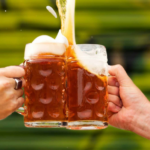
The Vienna lager recipe represents one of the most iconic and technically refined styles in the world of brewing. Known for its deep amber color, smooth malt backbone, and exceptionally clean finish, this style sits perfectly between darker malty lagers and lighter pilsners. A well-executed Vienna lager recipe delivers balance—never too sweet, never too bitter—making it highly drinkable and widely appreciated.
Historically, the Vienna lager recipe traces back to 19th-century Austria, where brewer Anton Dreher pioneered the use of kilned Vienna malt combined with bottom-fermenting yeast. This innovation created a beer that was revolutionary for its time: clear, stable, and rich in flavor. Today, the Vienna lager recipe remains a cornerstone style for both traditional breweries and modern craft brewers.
For homebrewers, mastering a Vienna lager recipe is an excellent way to develop precision in temperature control, fermentation management, and ingredient balance. Unlike ales, lagers require stricter process discipline, which makes this style both a challenge and a benchmark of brewing skill.
In this comprehensive Vienna lager recipe guide, you will learn not only the exact ingredients and step-by-step brewing process, but also the underlying principles that define the style. From selecting the right malt composition to managing fermentation and lagering, this Vienna lager recipe is designed to help you consistently produce a professional-quality amber lager at home.
Ingredients for Vienna Lager
A well-crafted Vienna lager recipe starts with selecting the right ingredients. The balance of malt sweetness and subtle hop bitterness is key.
Malt Bill
- Vienna malt (60–100%) – the backbone of the Vienna lager recipe
- Munich malt (optional, up to 20%) – adds depth and richness
- Pilsner malt (optional) – lightens body
Hops
- Noble hops such as Hallertau, Tettnang, or Saaz
- Target bitterness: 18–25 IBU
Yeast
- Lager yeast (e.g., Wyeast 2124 or Saflager W-34/70)
Water
- Moderately hard water with balanced mineral content
Brewing Process
Following a precise process is essential for any Vienna lager recipe. Temperature control and patience are especially important.
1. Mashing
Mash at 65–67°C (149–153°F) for 60 minutes. This step in the Vienna lager recipe helps create a balanced fermentable wort with a medium body.
2. Lautering and Sparging
Separate the wort from the grain and sparge with hot water (around 75°C). Efficiency during this stage ensures good sugar extraction.
3. Boiling
Boil for 60–90 minutes. Add hops according to your Vienna lager recipe schedule:
- Bittering hops at the start
- Optional aroma hops in the last 10–15 minutes
4. Cooling
Quickly cool the wort to fermentation temperature (8–12°C). This is critical in any Vienna lager recipe to avoid off-flavors.
5. Fermentation
Pitch lager yeast and ferment at 9–12°C for 10–14 days. A clean fermentation profile is essential for a traditional Vienna lager recipe.
6. Lagering
After primary fermentation, lager the beer at 0–4°C for 3–6 weeks. This step refines clarity and flavor, completing the Vienna lager recipe.
Flavor Profile
A successful Vienna lager recipe produces a beer with:
- Amber to copper color
- Toasty, bready malt aroma
- Mild hop bitterness
- Clean, crisp finish
Tips for Success
- Maintain strict temperature control throughout your Vienna lager recipe process
- Use fresh, high-quality ingredients
- Allow sufficient lagering time for best results
- Avoid over-hopping; balance is key in a Vienna lager recipe
Conclusion
Mastering a Vienna lager recipe requires attention to detail and patience, but the result is a beautifully balanced and highly drinkable beer. Whether you are a beginner or an experienced brewer, this Vienna lager recipe provides a reliable foundation for creating a classic amber lager at home.